All Categories
Featured
Table of Contents
- – Types of Roofing Products Used
- – Typical Roof Materials Discussed
- – Choosing the Right Material: What Matters?
- – Product Contrast at a Look
- – Necessary Safety Protocols for Roofers
- – Securing Versus Falls and Slips
- – The Undetectable Threats: Weather Condition a...
- – Personal Experience in Practice
- – Quick Reference Table: Safety Gear Must-Haves
- – Training and Certification: The Bedrock of Exp...
- – Core Elements of Roofing Training
- – Why Accreditation Matters Beyond Compliance
- – Professional Tips for Aspiring Roofers
- – Vital Roofing Methods and Accuracy Tools
- – Strategies That Make a Distinction
- – Specialist Insights in Action
Types of Roofing Products Used
When you think of the roofing system over your head, have you ever stopped to question what stories the shingles or tiles could inform? Roof products, selected by knowledgeable roofing professionals, are much more than mere shelter parts-- they paint a photo of environment, culture, and workmanship. From the rugged texture of asphalt to the streamlined shimmer of metal, each product brings its own tale.
Typical Roof Materials Discussed
Flat Roof Companies In Freeland MDThe Flat Roof Company In Freeland MD
Flat Roof Inspection For Insurance In Freeland MD
Freeland MD Roof Repair
Roofing Company In Freeland MD
Not all roofing products are produced equal. Some whisper tales of resilience, others boast environment-friendly virtues, while a few stand as monoliths to visual appeal. Here's a quick rundown of the most common types:
- Asphalt Shingles: The workhorse of roof-- inexpensive, flexible, and commonly utilized. They're like the reliable boots of a roofer, reliable in most weather conditions.
- Metal Roofing: Sleek, modern-day, and exceptionally long lasting. It's the armor that safeguards buildings through years of storms and sunshine.
- Clay and Concrete Tiles: Often identified on Mediterranean-style homes, these tiles resemble timeless sculptures-- heavy but attractive, with a life-span that measures up to a century.
- Wood Shingles and Shakes: For those who prefer a rustic, natural appearance, wood roof includes warmth but demands more care and expertise from roofing contractors.
- Slate: The aristocrat of roof materials, slate's natural stone provides sophistication however needs proficient hands to set up properly.
Choosing the Right Material: What Matters?
Is it simply about resilience, or does style tip the scales? Often, the decision feels like choosing a favorite child-- each material uses special advantages. Roofing professionals frequently weigh factors such as:
- Climate Compatibility: Will the material stand up to rain, snow, or blazing sun?
- Installation Intricacy: Some materials, like slate, demand workmanship sharpened over years.
- Ecological Impact: With rising consciousness, alternatives like recycled metal or sustainably sourced wood gain appeal.
- Visual Harmony: The roof product must sing in tune with the home's architecture.
Product Contrast at a Look
| Material | Durability | Cost Variety | Installation Difficulty | Environmental Impact |
|---|---|---|---|---|
| Asphalt Shingles | 15-30 years | Low | Easy | Moderate |
| Metal Roofing | 40-70 years | Medium | Moderate | High (recyclable) |
| Clay Tiles | 50-100 years | High | Difficult | Low |
| Wood Shingles | 20-40 years | Medium | Moderate | Moderate |
| Slate | 75-200 years | High | Very Tough | Low |
In the end, the option of roof material is a dance in between practicality and passion. The roofers - Best Flat Roofers in Freeland MD who lay these products down bring technical skill and an artist's eye, crafting not just defense but a long lasting legacy for the home below
Necessary Safety Protocols for Roofers
Ever felt the vertigo creeping in as you climb up that ladder? That's the silent tip that roof safety isn't simply a checklist-- it's survival. The roof is a location where one misstep can turn a routine job into a catastrophe. From the minute you step onto a shingle, the threat of falling looms large, however there are methods to tame that danger.
Securing Versus Falls and Slips
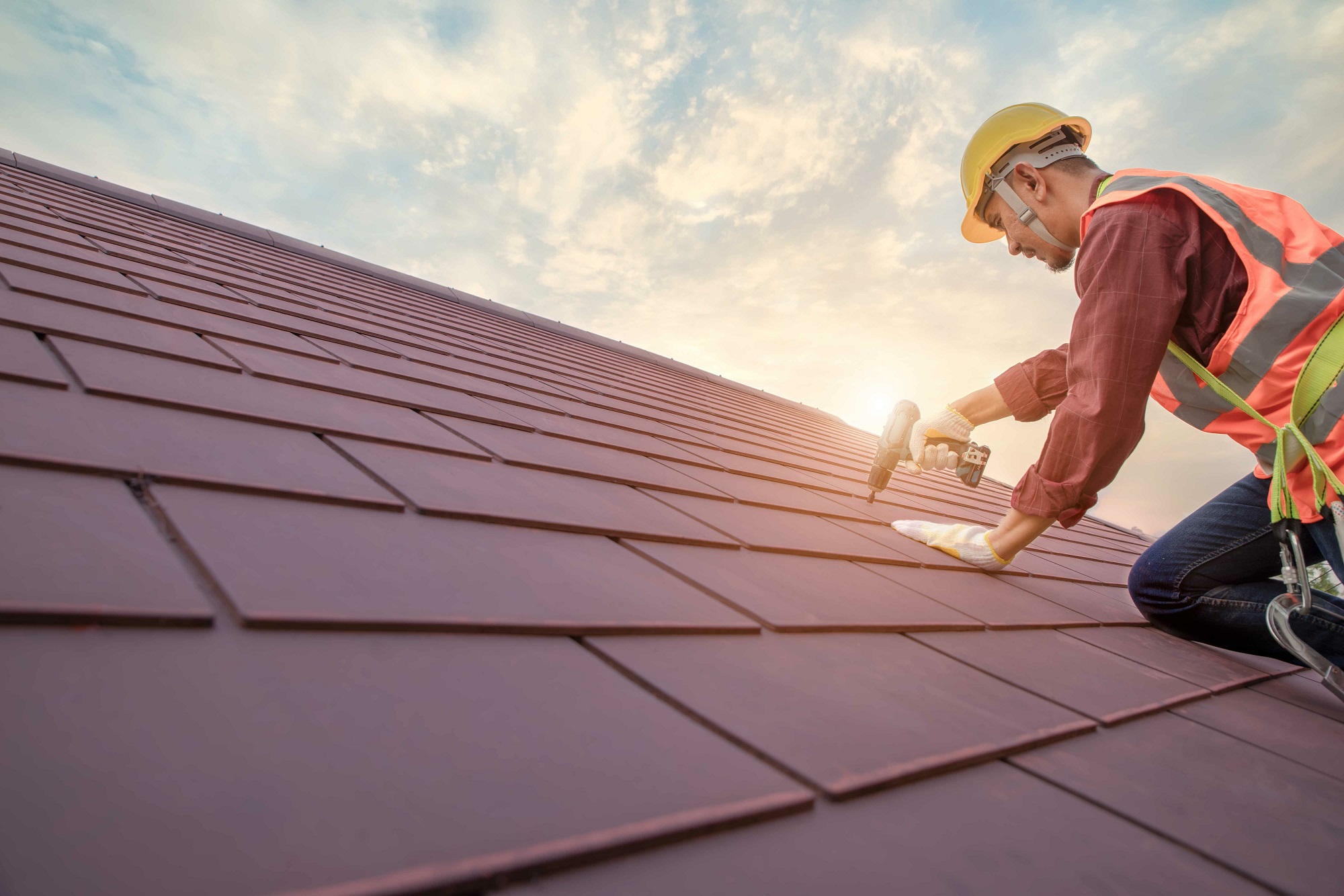
Ask any skilled roofing professional: the most regular risk is falling-- either from edges or through weak points. The impulse to rush can be a silent enemy. Here's a professional rundown to keep you consistent:
- Usage utilizes with proper anchor points ranked for dynamic loads.
- Check every ladder for stability and safe and secure footing before rising.
- Use shoes with non-slip soles created particularly for roofing surfaces.
- Stay alert for wet or icy spots that can turn a solid step into a slip.
The Undetectable Threats: Weather Condition and Material Handling
Have you ever pondered how quickly a bright day can become a rooftop threat zone? Strong winds can turn loose tools into hazardous projectiles. Handling roofing materials like shingles or metal sheets demands not simply muscle however mindfulness. Keep these suggestions close:
- Anchor tools and materials when not in use to avoid them from sliding off.
- Set up work throughout calm weather windows; wind gusts above 20 mph are a red flag.
- Wear gloves designed to enhance grip and secure against sharp edges.
- Check roof decking stability before stepping to avoid unexpected breaks.
Personal Experience in Practice
On one brisk fall early morning, a colleague underestimated a weak spot concealed underneath old shingles. The resulting fall was a plain lesson: never ever trust what looks solid without a thorough check. Ever because, a "tap test" with the hammer before putting weight has been my ritual, revealing covert rot or damage undetectable to the eye.
Quick Reference Table: Safety Gear Must-Haves
| Equipment | Function | Specialist Tip |
|---|---|---|
| Full-body Harness | Fall arrest and prevention | Double-check buckles and webbing for wear before each use |
| Roofing Boots | Slip resistance and foot protection | Select boots with aggressive tread and water resistance |
| Hard Hat | Head impact defense | Change after any considerable effect, even if no damage is visible |
| Gloves | Grip and hand protection | Go with gloves with strengthened palms and versatility |
- Review of CRG Roofing and Siding in Freeland MD by David Brown: Couldn’t ask for better service! Jason, Dieter, and the crew were incredibly professional, competent, and the benchmark for roofing companies.
- Review of CRG Roofing and Siding in Freeland MD by JHON CHAVEZ: Carlo and his team did a great job! I would definitely recommend them! Thanks Chesapeake Remodeling Group!
- Review of CRG Roofing and Siding in Freeland MD by Tracie Medley Briscoe: Happy with the whole process and finished product. Anton with Chesapeake remodeling group helped me through the whole process and made me feel comfortable. Great job and team work with this company. Great company "
- Review of CRG Roofing and Siding in Freeland MD by Brittany Rhodes: I approached Carlo after seeing them repair my neighbors roof! Within two weeks they were able to do an inspection, help me make my insurance claim and set a date for the new roof!! I was really stressing about about the damage and when I could afford to get a new roof and with their help, we were able to have insurance cover the roof. They even were onsite when the insurance came to inspect the roof, which made me feel like they were committed to helping us get the roof covered since there was significant damage. I would highly recommend Carlo and team! Extremely responsive, professional and assertive. Couldn’t be happier! "
Training and Certification: The Bedrock of Experienced Roofing Contractors
Ever question why some roofing contractors appear to defy gravity, nailing shingles with precision while others falter? The secret lies in rigorous training and targeted certification. Hands-on experience alone won't suffice-- training programs are crafted to simulate the unpredictable nature of roof work, from unexpected weather modifications to delicate substrates.
Consider this: a roofing contractor when shared how an unanticipated gust nearly turned a day's work into a catastrophe. Years of training started-- proper anchoring techniques, quick decision-making-- preventing injury and securing the roofing system's integrity. That's the genuine worth of accreditation; it's not simply paper, it's a survival toolkit.
Core Elements of Roofing Training
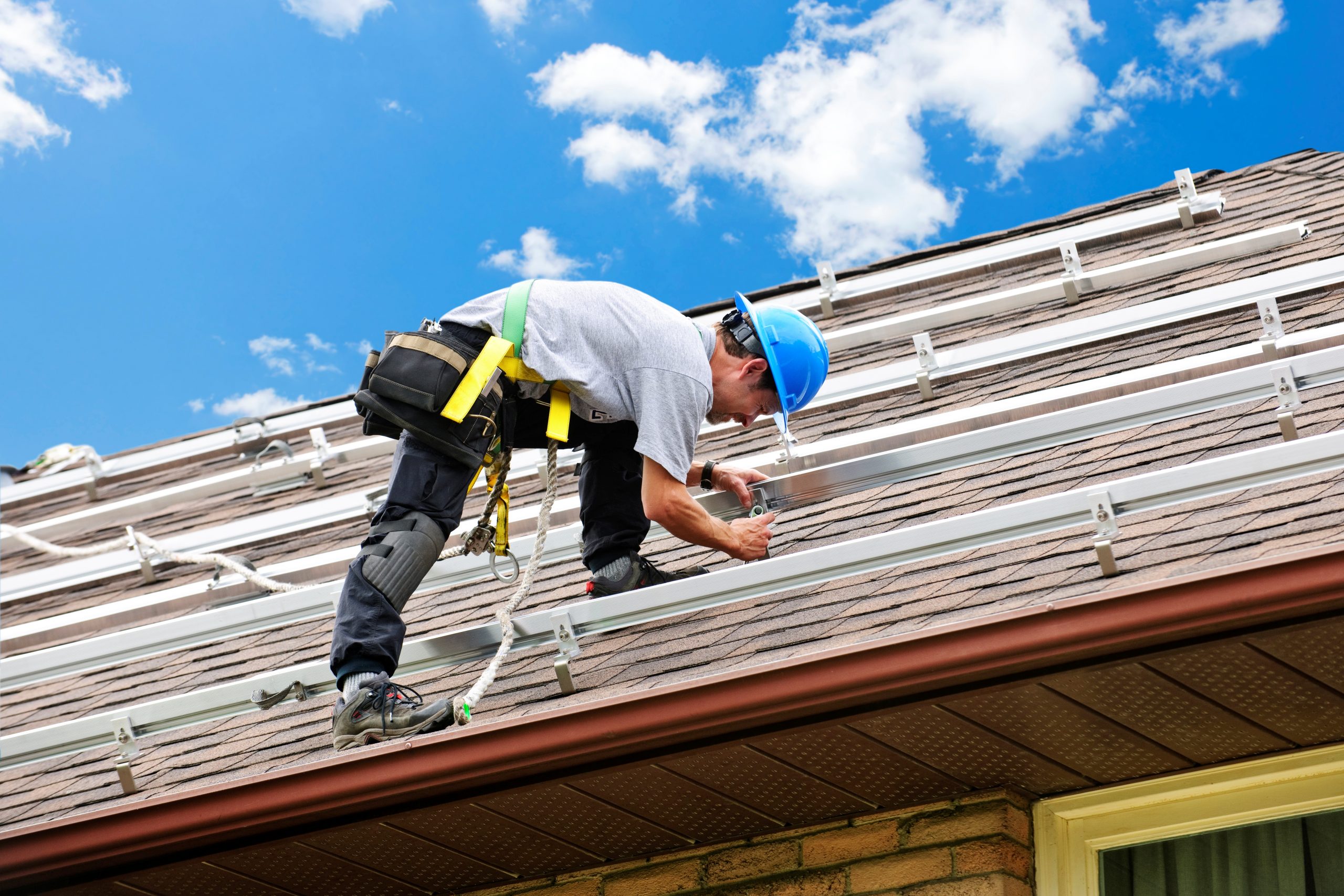
- Safety protocols customized to regional regulations and real-world situations
- Material science-- understanding how various roofing products respond to aspects
- Setup methods that vary by roofing system type, pitch, and style intricacy
- Problem-solving drills including water intrusion and structural tension
- Usage of innovative tools and digital measurement systems
Why Accreditation Matters Beyond Compliance
Isn't it curious how an official certificate can improve a roofer's reliability, yet its real power is often overlooked? Accreditation signals proficiency, however it likewise demands continuous knowing. Many programs need periodic renewals, ensuring roofing professionals stay current with progressing industry requirements and ingenious materials.
Professional Tips for Aspiring Roofers
- Look for training that includes both class theory and extensive fieldwork
- Practice using varied roof products-- what works on asphalt shingles will not on metal or slate
- Prioritize learning fall security systems; they're lifesavers more than simply regulations
- Network with licensed roofers-- mentorship speeds up skill acquisition
- Regularly review regional building regulations; they're the silent structure guiding your every nail
Would you trust your home's shelter to somebody who avoids this vital step? The roofing system isn't just a cover; it's an intricate system demanding respect, ability, and above all, appropriate training and certification.
Vital Roofing Methods and Accuracy Tools
Freeland, Maryland, is an non-incorporated community located in Baltimore County, with geographic coordinates approximately 39.5637° N latitude and -76.6411° W longitude. Positioned about 25 miles north of Baltimore city, Freeland offers a rural-suburban blend characteristic of northern Baltimore County. The area is known for its rolling hills, farmland, and residential subdivisions, contributing to a tranquil and scenic environment. Freeland is situated near the intersection of Maryland Route 137 and Maryland Route 45, providing convenient access to larger urban centers while retaining a serene, small-town atmosphere. The community lies close to Gunpowder Falls State Park, a significant natural attraction covering over 18,000 acres, offering hiking, fishing, horseback riding, and kayaking opportunities. This park is a important point of interest for residents and visitors alike, emphasizing outdoor recreation. Demographically, Freeland and the surrounding 21120 ZIP code area have a population estimated at around 4,500 residents. The population density is low compared to urban areas, with a mix of family households and retirees. The median household income in the region is approximately $90,000, reflecting a relatively affluent community. The racial makeup is predominantly White, with smaller percentages of African American, Asian, and Hispanic residents. Local amenities include several churches, small businesses, and community centers serving the area. The community benefits from proximity to quality schools within the Baltimore County Public Schools system, including Hereford High School and Hereford Middle School, both well-regarded institutions. Freeland’s climate is classified as humid subtropical, with warm summers averaging highs in the mid-80s Fahrenheit (around 29°C) and cold winters with periodic snowfall. The area’s elevation is roughly 650 feet above sea level, contributing to its moderate climate and varied topography. Overall, Freeland, MD, exemplifies a tranquil, semi-rural community with strong ties to nature, accessible amenities, and a close-knit population, making it a attractive location within Baltimore County.
Ever wondered why some roofings hold up against the rage of storms while others falter? The answer lies deep in the mastery of roofing strategies and the tools wielded by knowledgeable roofing professionals. Take, for example, the art of shingle alignment. It's not simply about laying shingles in neat rows; it has to do with understanding the subtle play of wind, rain, and sun direct exposure. Misaligned shingles can invite leaks, which typically sneak in unnoticed till the damage is irreversible.
When it comes to tools, a roofing contractor's toolbox is a treasure chest of precision instruments. The modest roof hammer isn't just for pounding nails-- it's designed with a magnetic nail holder that accelerates work on high slopes, keeping security and efficiency in consistency. And after that there's the chalk line tool, a simple string that marks completely straight lines. Without it, even the most skilled roofer might struggle to preserve proportion throughout a vast surface area.
Best Flat Roof Contractors In Freeland MDFlat Roof Repair In Freeland MD
Essential Flat Roofing Services In Freeland MD
Flat Roofing Company Near Me In Freeland MD
Flat Roof Survey In Freeland MD
Strategies That Make a Distinction
- Step flashing: Vital for sealing joints between roof and vertical surface areas like chimneys or walls, avoiding water ingress in those vulnerable areas.
- Ice and water guard installation: Applied below shingles at eaves and valleys, this membrane defend against ice dams and wind-driven rain.
- Appropriate nailing patterns: Not all nails are created equal, and neither are their positionings. Too couple of nails, or inadequately positioned, can trigger shingles to loosen prematurely.
Specialist Insights in Action
One remarkable task involved a steep-pitched roofing where traditional ladder access was difficult. Using a roof harness system and specialized roofing jacks, the team worked securely on near-vertical surfaces, a testimony to how safety gear changes intimidating jobs into manageable ones. Have you ever stopped briefly to consider how much the right tool can improve both quality and spirits on a task website?
| Tool | Purpose | Pro Suggestion |
|---|---|---|
| Roof Hatchet | Driving nails, cutting shingles | Use the hammer side to tap carefully to prevent breaking shingles |
| Energy Knife | Cutting roof products | Change blades often to ensure tidy cuts |
| Air Nailer | Fast and consistent nailing | Examine air pressure routinely to avoid over-penetration |

Table of Contents
- – Types of Roofing Products Used
- – Typical Roof Materials Discussed
- – Choosing the Right Material: What Matters?
- – Product Contrast at a Look
- – Necessary Safety Protocols for Roofers
- – Securing Versus Falls and Slips
- – The Undetectable Threats: Weather Condition a...
- – Personal Experience in Practice
- – Quick Reference Table: Safety Gear Must-Haves
- – Training and Certification: The Bedrock of Exp...
- – Core Elements of Roofing Training
- – Why Accreditation Matters Beyond Compliance
- – Professional Tips for Aspiring Roofers
- – Vital Roofing Methods and Accuracy Tools
- – Strategies That Make a Distinction
- – Specialist Insights in Action
Latest Posts
Reisterstown MD Roof Repair: Professional Solutions For Repairing And Restoring Damaged Roofs
Flat Roof Installers Near Me in Riva MD: Regular Maintenance Of Business Roof Ensures Sturdiness And Prevents Costly Repair Works
Roofing Companies in Lisbon MD: Routine Maintenance Of Business Roof Systems Guarantees Durability And Avoids Costly Repairs
More
Latest Posts
Reisterstown MD Roof Repair: Professional Solutions For Repairing And Restoring Damaged Roofs
Roofing Companies in Lisbon MD: Routine Maintenance Of Business Roof Systems Guarantees Durability And Avoids Costly Repairs